St. Nicholas Orthodox Church

An Orthodox community where people find transformation in Jesus Christ.

  • Home
  • Directions
  • Calendar
  • First Time Visitor
    • Visitor Guide for Non-Orthodox Christians
    • Visitor Guide for Orthodox Christians
  • About Orthodoxy
    • What is the Orthodox Church? [VIDEO]
    • Orthodoxy: The Church of the Martyrs and Confessors
    • Orthodoxy 101: Questions and Answers [VIDEO]
    • What is the Jesus Prayer? [VIDEO]
    • An Overview of the Orthodox Divine Liturgy [VIDEO]
    • Why Orthodox Men Love Church
    • Daily Orthodox Prayers
  • About Our Parish
    • Clergy
      • Fr. Paul Fuller – Pastor
      • His Grace, Bishop NICHOLAS
      • ​His Eminence Metropolitan SABA
      • His Beatitude, Patriarch JOHN X
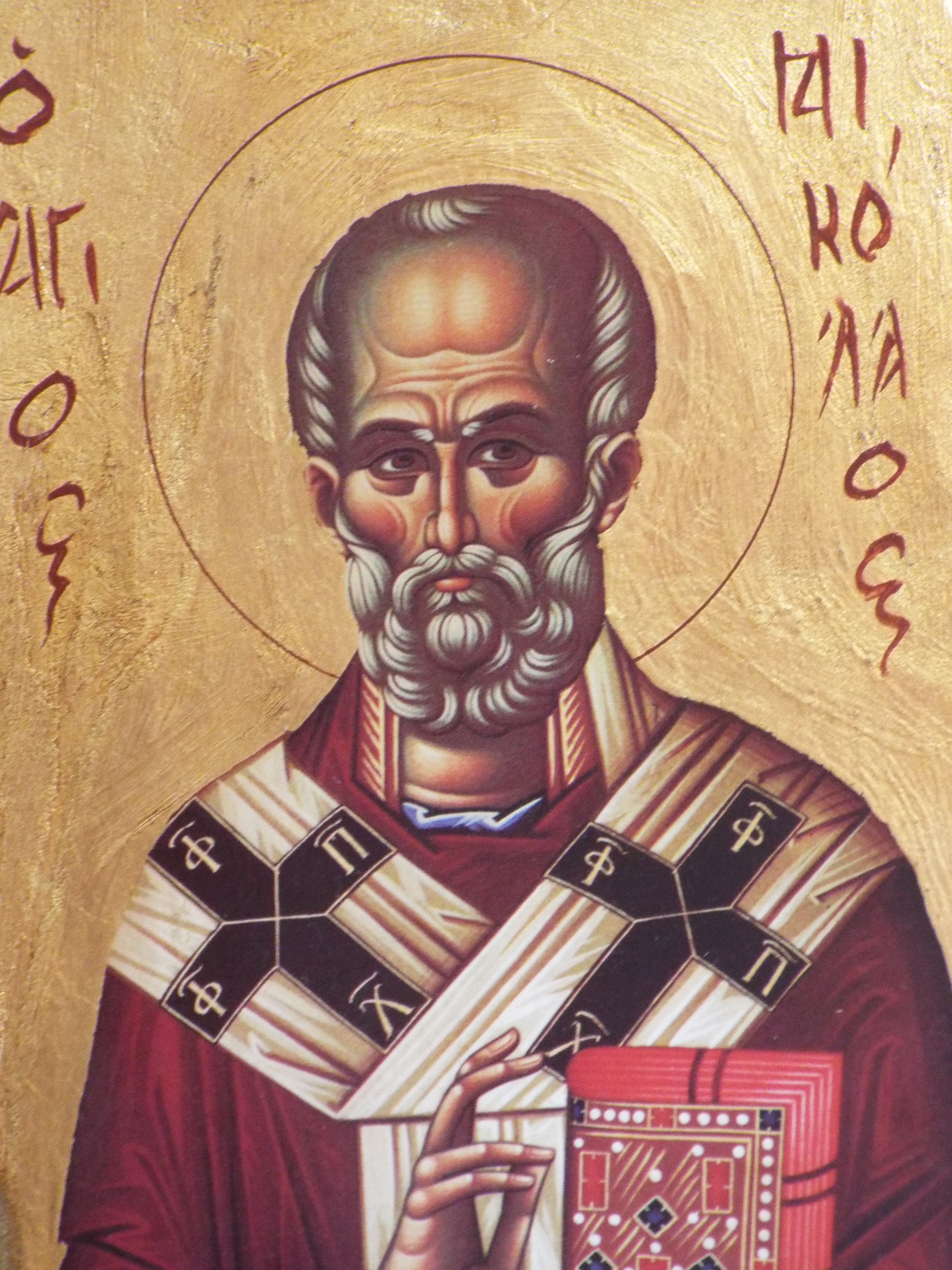
    • Our Patron: Saint Nicholas the Wonderworker
    • Our Father Among the Saints: St. Raphael of Brooklyn
    • Our Patriarch’s Vision
    • Architecture & Awards
  • Ministries
    • Antiochian Men (AMEN)
    • Antiochian Women
    • Christian Education
    • Church Library
    • Community Garden
    • Community Groups
    • Cradle Care
    • Liturgical Choir
    • Orthodox Christians For Life
    • Parish Council
    • St. Nicholas Bookstore
    • St. Nicholas Bookstore Online
  • Weekly Bulletin
  • Email Sign Up
  • Parish Newsletters
  • St. Nicholas Videos
  • Support St. Nicholas
    • How to Donate
    • 2024 Stewardship & Membership Form
  • Contact Us
  • Facebook

We Give Thanks to Thee, O Christ Our God

November 21, 2018

Everlasting King, Thy will for our salvation is full of power. Thy right arm controls the whole course of human life. We give Thee thanks for all Thy mercies, seen and unseen. For eternal life, for the heavenly Joys of the Kingdom which is to be. Grant mercy to us who sing Thy praise, both now and in the time to come. Glory to Thee, O God, from age to age.

Akathist of Thanksgiving: “Glory to God for All Things!”

His Eminence Metropolitan JOSEPH asks that parishes try to offer divine services in thanksgiving to God for all of His abundant blessings. On Wednesday November 21, 2018, St Nicholas Church will say the Akathist of Thanksgiving in the evening (6 pm). We hope that you will join us at St Nicholas Church in giving thanks to our loving God or with your loved ones elsewhere. Happy and blessed Thanksgiving! Texts from the Department of Liturgics in the Online Liturgical Guide are available.

READ MORE

  • Giving Thanks to God: a reflection by Patriarch JOHN X
  • St. Basil the Great meditation: On Giving Thanks to the Creator
  • Thanksgiving: Our National Holy-Day by Fr. George Morelli
  • A Thanksgiving Prayer by Fr. George Shalhoub (PDF)
  • Akathist of Thanksgiving (PDF)
Nativity Fast Begins on November 15

November 13, 2018

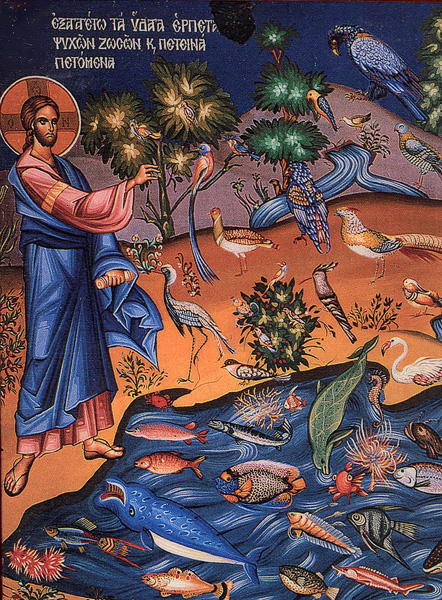
The Nativity SeasonNovember 15 is the beginning of the Nativity Fast, one of the four Canonical Fasting Seasons in the Church year. Many Orthodox Christian families will begin this journey to the Feast of the Nativity which is celebrated as ‘Christmas’ in the US and Canada, on December 25. This is a joyous Fast in anticipation of the Nativity of Christ. While not as strict as Lent, it is observed as a kind of winter lenten season in preparation for the coming of Christ at His birth.

In the weeks between now and December 25, Orthodox Christians prepare themselves to celebrate the birth in the flesh of our Lord Jesus Christ. As we begin the fast, we encourage both believing Orthodox and inquirers to review the reflections and resources in this special Nativity section.

Nativity Resources for Orthodox Christian Families
These resources are intended to help families enter into the Orthodox spirit of fasting and preparation for the joyful Feast of the Nativity on December 25. Christ is born!


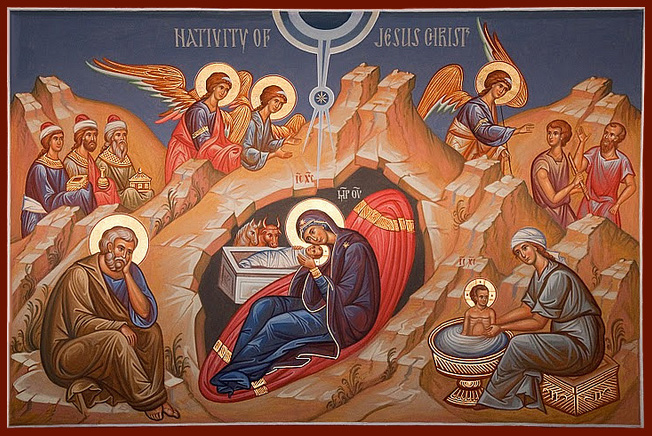
Nativity Icon

Make a 40-Day Orthodox Advent Calendar

Christians who grew up celebrating Nativity (Christmas) in a western Christian tradition observed four Sundays of Advent, a period of preparation for the celebration on December 25, but Orthodox Christians commemorate the six Sundays of the Nativity Fast (Advent) which fall in the forty days of preparation.

The Orthodox Nativity calendar is a helpful teaching tool; homemade calendars or ones ordered online can aid parents as they assist their children in preparing for the Feast of the Nativity. Doors opening each day highlight art, saints or scriptures that tell the story of the season, and kids often look forward to seeing what is behind the next door as the countdown to Christmas continues.

Creative parents can make their own calendars by following these instructions: Making a Family Orthodox Advent Calendar or for younger children, The Orthodox Advent Calendar.


For additional general resources on the Orthodox Christian tradition of feasting and fasting, visit the Feasts and Fasts section of Discover Orthodox Christianity.

Church Discipline & Christian Ethics

September 6, 2014

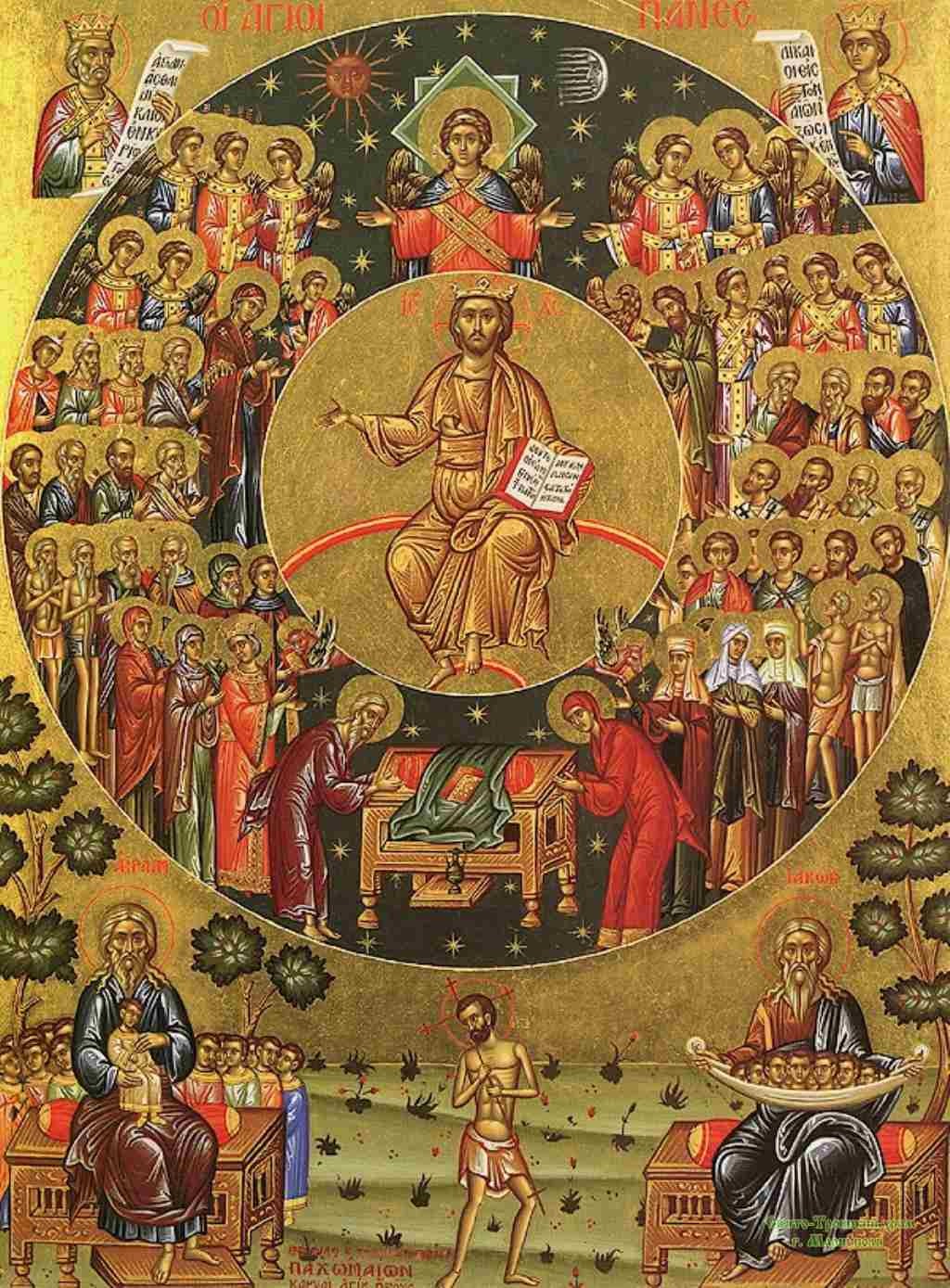
all saints

Living An Orthodox Life

As St Paul told us the purpose of the Christian life is attaining the fullness of Christ, through living in a sacramental community with our brothers and sisters, as directed by the leaders that the Holy Spirit has given us (Ephesians 4).

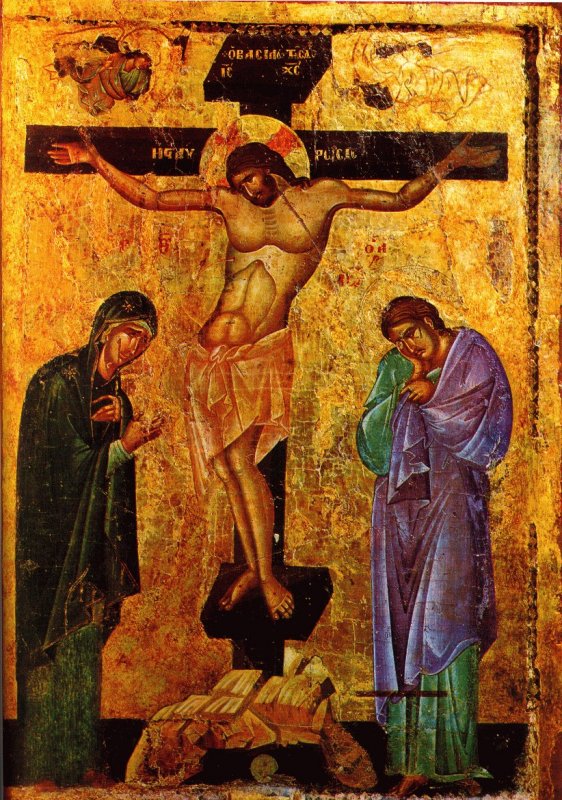
crucifixionWe do not seek any righteousness outside the Body of Christ but we strive to become holy within it. As our Lord Jesus taught, this holiness far exceeds the requirements of any externally imposed system whether that system be the Law of Moses, philosophical ethics, or rules for success (Matthew 5:20). We are called to attain the holiness of the Father and that holiness is expressed by never failing generosity, kindness, forgiveness, and love (Matthew 5:44-46  and 1 Peter 1:13-21).

Since we are not trying to be ‘good enough’ to gain God’s favor but are trying to be ‘like’ God in His goodness, the Orthodox Church is less interested in ‘rules’ than in encouraging us to follow the example of those who have attained “the stature of the fullness of Christ” (Ephesians 4:13). This is the Biblical model as taught by St Paul and so Orthodox Christians learn how to become holy by imitating our Lord and Savior, other holy people in the Scriptures, the lives of the saints, and people in our own communities (1 Corinthians 4:13 ; 1 Corinthians 11:1 ; Philippians 3:17 ; Philippians 4:9 ; 1 Thessalonians 1:6 ; 2 Thessalonians 3:9 ; Hebrews 13:7). st jamesThese models of Christian conduct, like our own patron St Nicholas, showed heroic love even though they were people of “like passions” as ourselves (Acts 14:15 and James 5:17). If they were able to become holy as our heavenly Father is holy, we can do so as well. Jesus would never command us to do the impossible (Matthew 5:48). We can rely on God’s grace and the support of the saints on earth and in heaven to become holy as He is holy.

Becoming a holy person requires living in community with other people who share the same goal. An Orthodox Christian community, whether a parish or a monastery, is more like a large very diverse family than a small club. At St Nicholas, we do not all look or think alike. We do not share the same worldly interests or politics. We are at different physical and spiritual levels of maturity. We do not all have the same material resources. We have different natural talents. The Holy Spirit has given us different gifts. We are, however, children of the same Father, united in the same Son, by the power of the same Holy Spirit (John 1). This diversity is the strength of the Church but diversity requires love (1 Corinthians 13  and 1 John 4:7-12). Christians are called to have “one mind” but this does not mean that we are called to agree about everything because each human person is unique. St Paul explicitly told us that this oneness of mind reflects Christ’s humility in preferring to minister to the needs of His weak human brethren rather than insisting on His own ‘best interests’ (Philippians 2:1-8). For us to attain this humility requires a change of mind and heart.

Repentance (metanoia in Greek) means changing our thoughts and our actions but most repentimportantly it means changing our orientation from seeking our own best interests to seeking the will of God and the needs of the Body of Christ. The Scriptures and the lives of the saints give us innumerable instances of dramatic repentance like St Paul’s conversion on the road to Damascus (Acts 9:3-19). Ongoing repentance, however, is required if we are to become holy people living in communion with our brothers and sisters in the Body of Christ. In the Orthodox Church the demands of our common life and the requirements of individual repentance are harmonized by the pastoral ministry of our bishops.

The most obvious expression of this episcopal pastoral ministry is in our order of services or typika. While every local Orthodox community has small differences in liturgical and musical expression, no Orthodox community invents forms of worship to suit its own needs. Each parish follows the instructions of its local bishop and does not pick and choose elements from various traditions according to its preferences. At St Nicholas, we follow the traditions of the Patriarchate of Antioch, as interpreted by our Archdiocese, and directed by the Diocese of Miami and the Southeast. Since all recognized Eastern Orthodox jurisdictions are in communion with each other in the United States, every jurisdiction in America recognizes the authenticity of the other jurisdictions’ liturgical traditions and has done so for centuries. This extends to matters of the Church calendar and liturgical commemorations as well.

A less obvious but equally important element of episcopal ministry is the application of theParalytic_600px Canons of the Church. In practice, however, this spiritual fatherhood is shared by the bishops with the pastors of local parishes acting under their authority. The Canons are not the Orthodox equivalent of the Law of Moses. They are not really moral laws at all but spiritual medicines designed to cure sin, the sickness of the soul (Metropolitan Heirotheos, Hesychia and Theology, 2007, 167-180). As such the Canons are not to be applied by those who are not blessed by their local bishop to exercise pastoral ministry. As St Paul taught, morality whether Biblical or derived from philosophy is a good thing but it is unable to make a person holy (Romans 7 and Romans 8). The only purpose of the Canons is to heal the souls of those sickened by sin, in other words to make us holy as our heavenly Father is holy. Any other usage is, according to Metropolitan Heirotheos, a sign of legalistic secularism and a grave misunderstanding of the nature of the Christian life.

Fasting is a normal part of an Orthodox Christian life. Since the first century fasting on Wednesday and Friday was an expected part of that life. As the Church developed its yearly liturgical cycle, we began to have the opportunity of sharing seasons dedicated to repentance. Communal fasting was, of course, always part of those common seasons and it continues to be practiced at St Nicholas. Fasting, however, is a spiritual and not a merely bodily discipline. We do not become more Christ-like by eating healthy but expensive foods or by making ourselves sick by depriving ourselves of needed nourishment. Orthodox ‘fasting foods’ were originally the diet of the very poor. They were ‘humble’ foods that matched our seasons of repentance.

Fasting without forgiving our enemies, without increased prayer, and without sacrificing for the poor can be destructive to the spiritual life. This is emphasized in the liturgical prayers of the penitential seasons and in the ascetic writings of the saints. For these reasons, the Antiochian Archdiocese insists that the bodily discipline of fasting be accompanied by increased prayer and spiritual struggle under the supervision of a spiritual father. Fr. John will be happy to discuss the specifics of fasting and a rule of prayer either informally or within the sacrament of Confession. An excellent presentation by Fr. Ayman Kfouf on the meaning and history of fasting in the Orthodox Church may help prepare you for that discussion. It is available at The Lenten Fast: Its Rule and Spirit.

Our Lord Jesus’ answer to the rich young ruler sums up the Orthodox Christian teaching about morality (Luke 18:22 ; Mark 10:17-21 ; Matthew 19:16-21). Sexual activity outside marriage, murder, bearing false witness, and abortion are sins. We know these things and we honor the commandments but the commandments are not the ‘end’ or perfection of the life in Christ.Because of this, repentance and confession are the Church’s remedy for private sins.

ChristianEndingThe absolute privacy of the sacrament of confession ensures that nothing should stand in the way of a repentant sinner. The Orthodox Church does not shame repentant sinners and it does not look to publicly discipline its members for private matters. Nonetheless, how Christians plan the major events of their lives is a public statement and every Orthodox jurisdiction in the United States does insist that Orthodox Christians who are planning a wedding receive the sacrament of Crowning and that funeral arrangements for Orthodox Christians reflect the Church’s teaching on the resurrection. If you are planning a wedding or pre-planning a funeral please discuss the matter with Fr. John to avoid any confusion.

summer 2014 st nicholas 063

Living with the Holy Scriptures

September 1, 2014

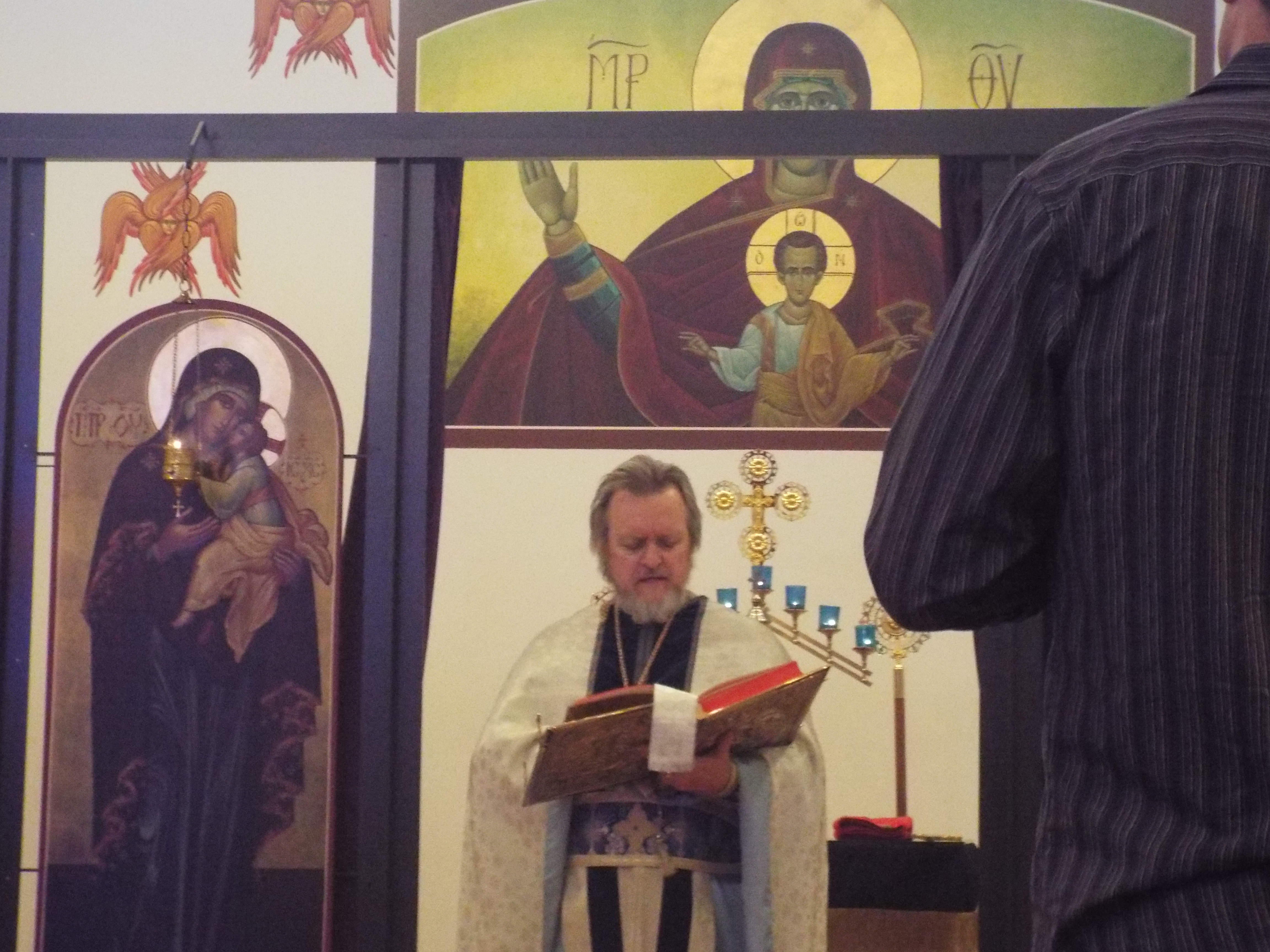
anasia readingThe Holy Scriptures play a pivotal role in an Orthodox Christian life. Not only does the public reading of portions of the Bible occur in every church service celebrated at St Nicholas but we are all called to individually read a portion of the Gospels and of the Apostles (Epistles and Acts) daily. Some members of our community have also committed to pray a portion of the Psalter on a daily basis.These readings are available on this website. The Orthodox Church accepts the Septuagint (Greek) version of the Old Testament because that is the version quoted in the New Testament and because the Masoretic, or Hebrew version, which is the basis for the King James translation was not compiled until the 9th century after Christ. This is long over 400 years after the Orthodox Church had determined the ‘canon’ of the Old Testament. The following articles will help you to understand ‘how’ Orthodox Christians understand the Scriptures and why they form such an essential element of our life. If you have any questions about the meaning of specific Biblical passages please contact Fr. John.

  • How to Read your Bible by Bishop Kallistos Ware
    http://www.antiochian.org/content/how-read-your-bible
  • The Gospel by Metropolitan Anthony Bloom
    http://www.antiochian.org/node/25481
  • Which Came First: the Church or the New Testament? By Fr. James Bernstein
    http://www.antiochian.org/node/25580
  • Is the Septuagint a Divinely Inspired Translation? By Gabe Martini
    http://onbehalfofall.org/is-the-septuagint-a-divinely-inspired-translation/

The following links will assist you in finding Biblical resources.

  • adnan readingThe full text of the Septuagint in Greek and English side by side (Church of Greece text and L. C. L. Brenton translation)
    http://www.ellopos.net/elpenor/greek-texts/septuagint/default.asp
  • Greek- English New Testament side by side (Church of Greece text and King James Version)
    http://www.ellopos.net/elpenor/greek-texts/new-testament/nt-index.asp
  • Greek-Russian New Testament side by side (pull down quick access scroll on at top left of page for NT books)
    http://www.ellopos.net/elpenor/greek-texts/nt-russian-greek/matthew/1.asp
  • Amharic, Arabic, Bulgarian, Spanish, Hebrew, Latin, Macedonian, Romanian, Serbian, Slovak, Albanian, and Ukrainian, and other versions of the New Testament are available at
    https://www.biblegateway.com/versions/
  • Explanation of the Difference between Septuagint and Masoretic Psalm Numbering by St George Greek Orthodox Cathedral (GOA) Greenville, SC
    http://www.orthodoxprayer.org/Psalms-Psalter.html
  • A downloadable English language Septuagint Psalter edited and translated by Michael Asser into sections (kathisma) according to the Orthodox Christian practice is available for download from the Diocese of Great Britain and Ireland (ROCOR). The text is translated from the Apostoliki Diakonia edition approved by the Church of Greece.
    http://orthodoxengland.org.uk/zresources.html

March 2014 Antiochian Women 011

Click to visit the Antiochian Archdiocese website
Click to visit the DOMSE website
St. Nicholas Orthodox Church, Springdale, Arkansas

St. Nicholas Orthodox Church
3171 South 48th Street · Springdale, AR 72762 · (479) 379-6220
Copyright © 2026 · St. Nicholas Orthodox Church · Log in